

My name is Katie, and I have been a nurse for 10 years. My healthcare journey began in 2013 when I started as a CNA, eventually progressing through school to achieve my BSN. I specialize in Emergency Medicine and have worked as a Travel ER RN since the COVID-19 pandemic. Nursing has been life-changing for me. I strive to be the good in difficult situations and provide the best care possible to my patients.
As a certified nursing assistant (CNA), there comes a stage in your professional journey when you understand that the strategies you have mastered are not limited to the healthcare institution. You are at a relative’s get-together, someone is laughing rather loudly and accidentally inhales some of their meal – and, in a moment, every one of them looks at you, the one sane person in the disarray. Because you know what to do. Or maybe it’s something subtler, like the way your empathy has deepened, shaping how you connect with loved ones. Being a CNA isn’t just about the “job.” It’s about the kind of person you’re becoming along the way, someone who brings a little more care, a little more calm, and a lot more capability to the everyday. Let’s look at the outcomes of these skills, particularly when they are most unexpected.
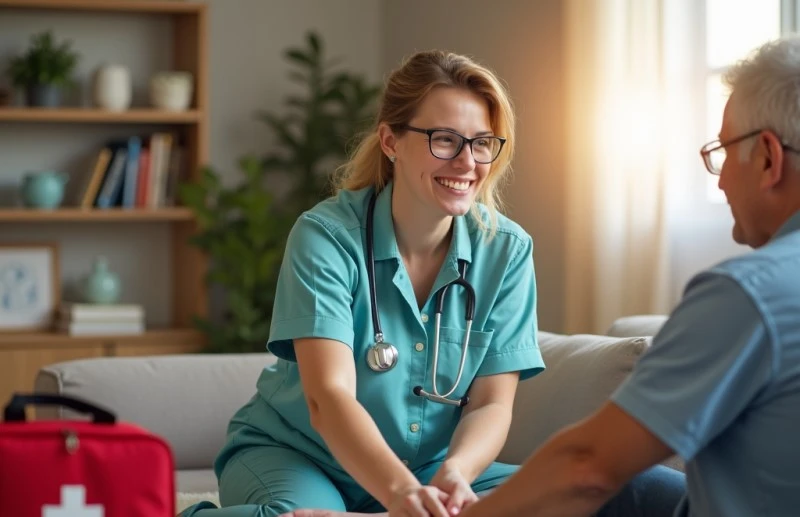
One thing CNAs really hone is communication. Think about it: as a CNA, you’re constantly interacting with patients who might be in pain, confused, or even scared. The way you talk matters. It’s not just words; it’s the tone, the pauses, the listening. And that skill? It finds its way home. Picture this—your teenager is going through a tough time, feeling misunderstood. Instead of brushing it off, you listen, truly listen, just like you would a patient. You nod, validate their feelings, maybe even paraphrase their words back. It’s no longer about fixing; it’s about being present. And that’s something you take from CNA work directly into family life.
It’s the same with friends, too. Let’s say a friend is going through something difficult, and instead of giving advice, you simply let them share, absorbing what they say. CNAs get trained to pause, listen, and empathize—a skill that builds trust and understanding in any relationship. It’s funny how such a simple thing, just truly listening, can strengthen bonds and make others feel seen.
When you’re a CNA, you don’t just learn to care for others; you learn practical health and safety skills that naturally come home with you. One of those is knowing what to do in emergencies. You might be at a friend’s BBQ when someone cuts themselves or faints from the heat, and, while others are panicking, you’re assessing the situation. “Okay, no need to worry. Here’s what we’re going to do,” you find yourself saying. There’s a sense of calm that you bring—a confidence because you know CPR, first aid, and basic triage.
And then there’s infection control. CNAs live and breathe the importance of handwashing, sanitizing surfaces, and managing germs. When flu season rolls around, you’re probably the one making sure everyone’s washing their hands, disinfecting high-touch areas, or steering clear of unnecessary risks. It’s not paranoia; it’s preparation, and it keeps your loved ones healthier.
Working as a CNA is like juggling multiple balls in the air at once—you’ve got patient needs, charts, doctors to report to, and medications to manage, sometimes all within a single shift. You get really good at organizing and prioritizing, and these skills spill over into your personal life.
Take meal planning, for instance. CNAs learn the importance of structure, so creating a weekly meal plan just feels natural. Or maybe you’re handling the household budget. The organizational skills you’ve picked up at work mean you’re likely tracking bills, expenses, and savings with military precision. You start to see how those time-management tricks—like batching tasks or prioritizing “must-dos” over “nice-to-dos”—make home life smoother and leave more time for the things you actually enjoy.
A lot of people don’t realize just how physical CNA work can be. You’re lifting patients, bending, and moving constantly. Body mechanics—learning how to lift and move correctly—is drilled into you. At work, you’re protecting yourself from injury; at home, you’re avoiding those lower back strains by using the same techniques.
Maybe you’re lifting a big stack of boxes during spring cleaning, or even just picking up your kids. You remember to squat, use your legs, not your back. There is also stamina. The endurance that one builds through work – standing for long hours – helps cope with doing home projects or even leading an active lifestyle. It’s as though yard work becomes easier and those long treks become somewhat easier to take as well.
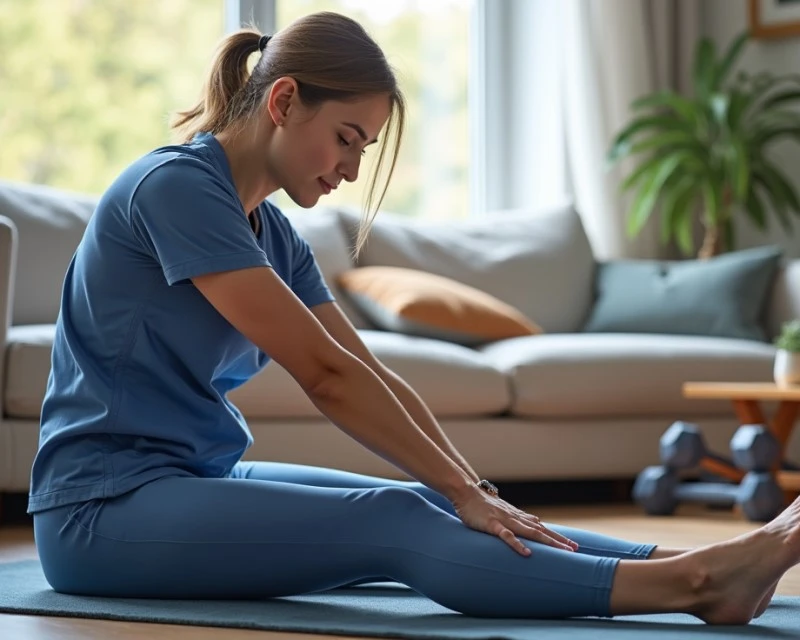
Healthcare is not a walk in the park. Caring for people in sensitive circumstances brings with it a certain burden, which is why CNAs learn to be tough, patient, and even fierce. It is a game of strategies and they figure out how to breathe in before reacting or how to simply chuckle over minor issues.
This resilience shows up in everyday life, too. Picture this: you’re in rush-hour traffic, running late, and everything seems to be going wrong. But instead of snapping, you remember that deep-breathing technique, and suddenly, you’re calm. Or maybe a family emergency happens, and you’re the one keeping everyone steady, calm, and organized. CNAs don’t panic; they act. And that ability to handle stress with grace is a gift in any situation.
There’s something about being a CNA that builds a person up. You get used to solving problems, making quick decisions, and taking responsibility. Over time, you begin to carry this confidence everywhere. You know you’re capable because you’ve done hard things every day.
There’s also the aspect of fulfillment. For most CNAs, the work is not that which they perform in the workplace and leave at the end of the day; it is a commitment that they carry home to every aspect of their lives. Clearly, it is more than just work for them – it is a vocation, and that zeal to be of service to people reflects in every interaction with the peer group, the family and society at large.
In the end, being a CNA is much more than a job. You learn to care for others, but you also learn how to incorporate that care into all aspects of your daily life. You find yourself paying more attention, facing emergencies with ease, managing your time more effectively, and displaying empathy and strength to people you love. And perhaps the best aspect is how these talents spill over into actual life, bringing richness and resilience on a daily basis.
Ready to kickstart your healthcare journey?
Fill out the form above, and let CNA Class Guide match you with the best CNA programs in your area!